
Decarbonizer
2020Published in the final year of his life, Sirkis's political testament revisits three decades of climate advocacy and develops proposals for decarbonization, positive carbon pricing, and Brazil's transition to a low-carbon economy.
Alfredo Sirkis was a prolific writer, penning several influential books throughout his career. These works cover his experiences during Brazil's military dictatorship, environmental policy, and urban planning.
Published in the final year of his life, Sirkis's political testament revisits three decades of climate advocacy and develops proposals for decarbonization, positive carbon pricing, and Brazil's transition to a low-carbon economy.
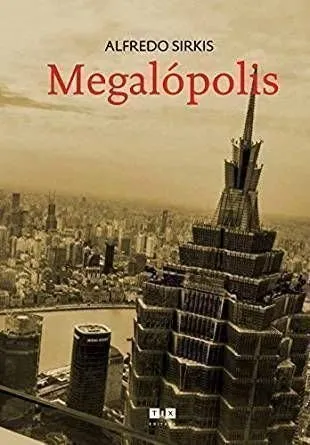
A study of the political and environmental challenges of very large cities. Sirkis draws on his work in Rio to examine urban planning, mobility, public space, climate, and metropolitan governance at twenty-first-century scale.

An insider's account of Marina Silva's 2010 presidential campaign, which Sirkis helped coordinate. It records the attempt to make sustainability central to a national election and reflects on green politics beyond the Green Party.
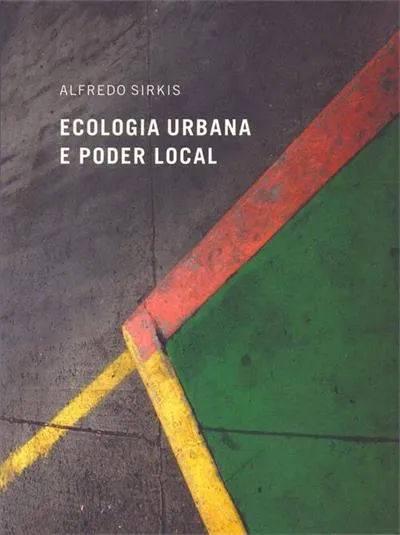
An essay arguing that ecological change is made concrete through local government. Drawing on Rio de Janeiro, it connects transport, land use, sanitation, conservation, public space, and democratic municipal administration.

Published after Sirkis's term as Rio's environment secretary, this collection brings together the ideas and experience behind community reforestation, bicycle infrastructure, protected areas, and ecological municipal government.
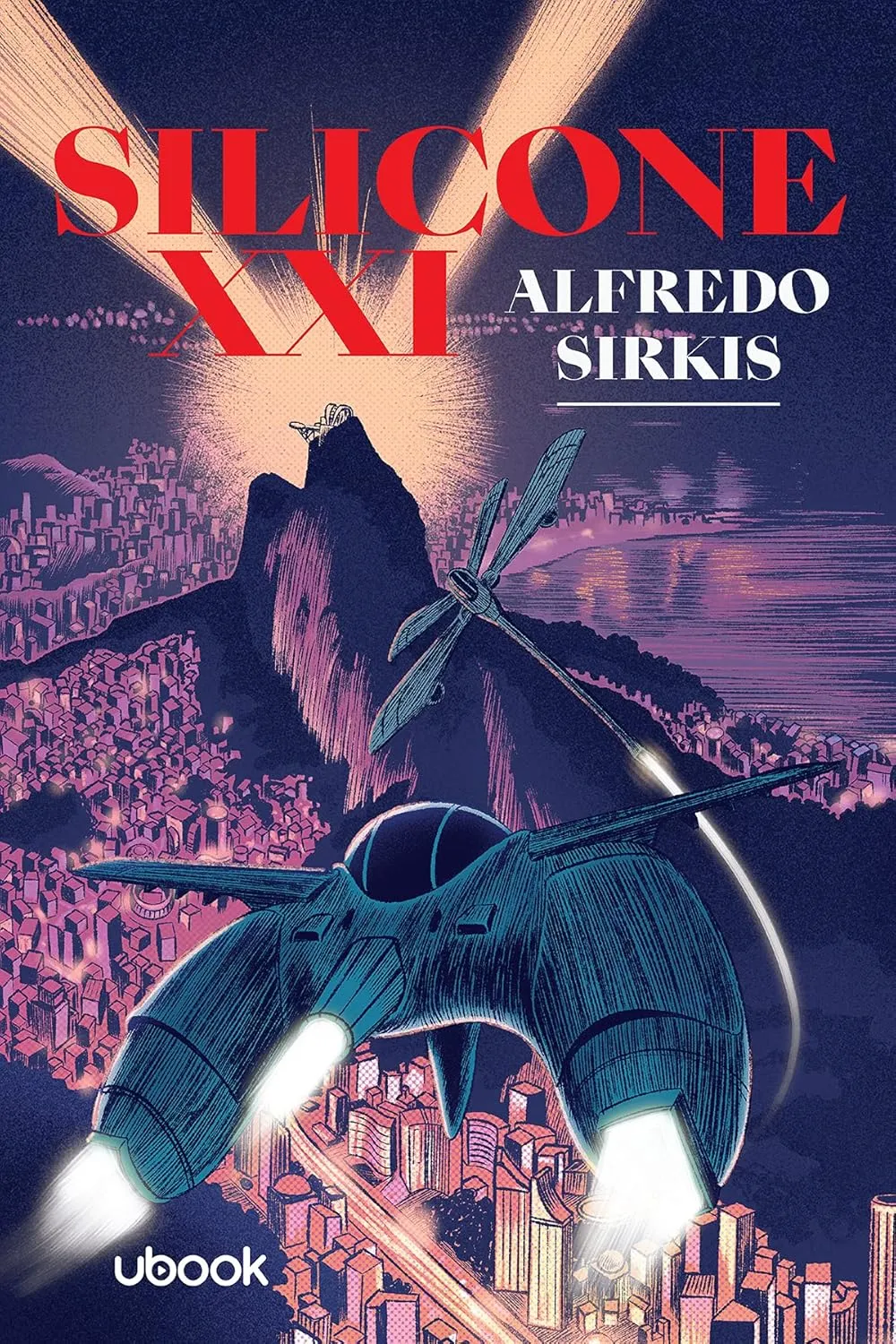
A science-fiction novel set in a future Rio de Janeiro. Published in 1985, it projects Sirkis's concerns with cities, technology, political power, and Brazilian modernity into an imagined twenty-first century.
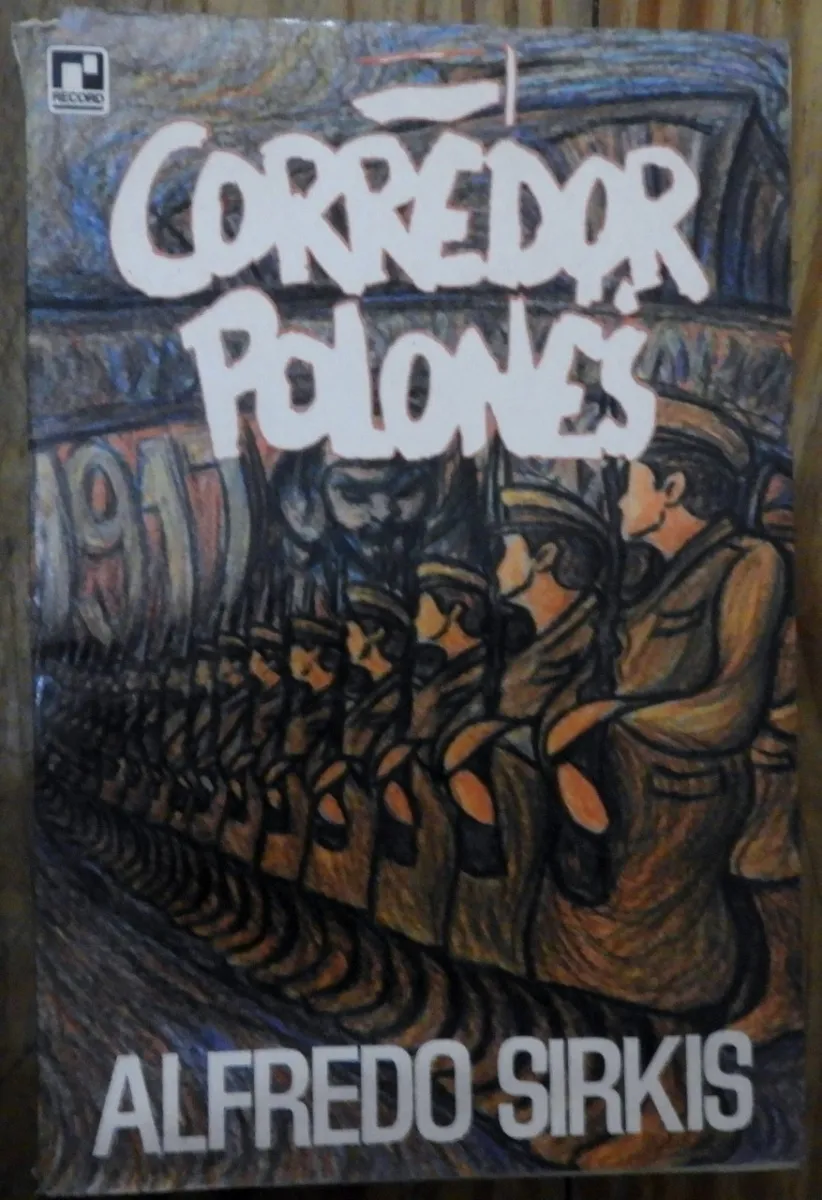
A family novel inspired by the lives of Sirkis's Polish Jewish parents. It transforms migration, displacement, and twentieth-century European history into fiction while turning from public memoir toward inherited memory.
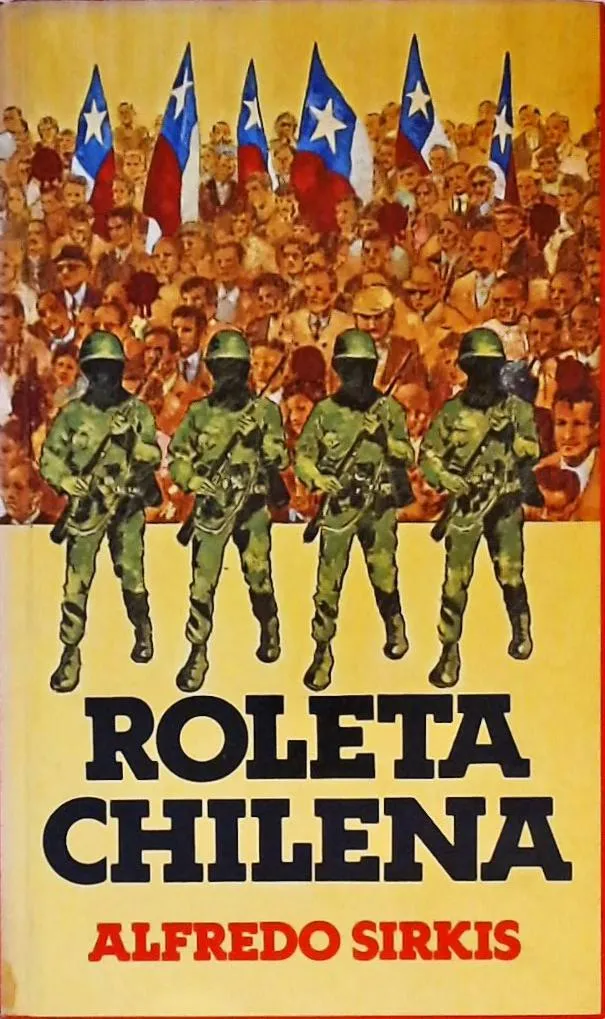
The second volume of Sirkis's memoirs follows his first years in exile: journalism in Salvador Allende's Chile, the September 1973 coup, and his flight to Argentina. It became one of his two national bestsellers.
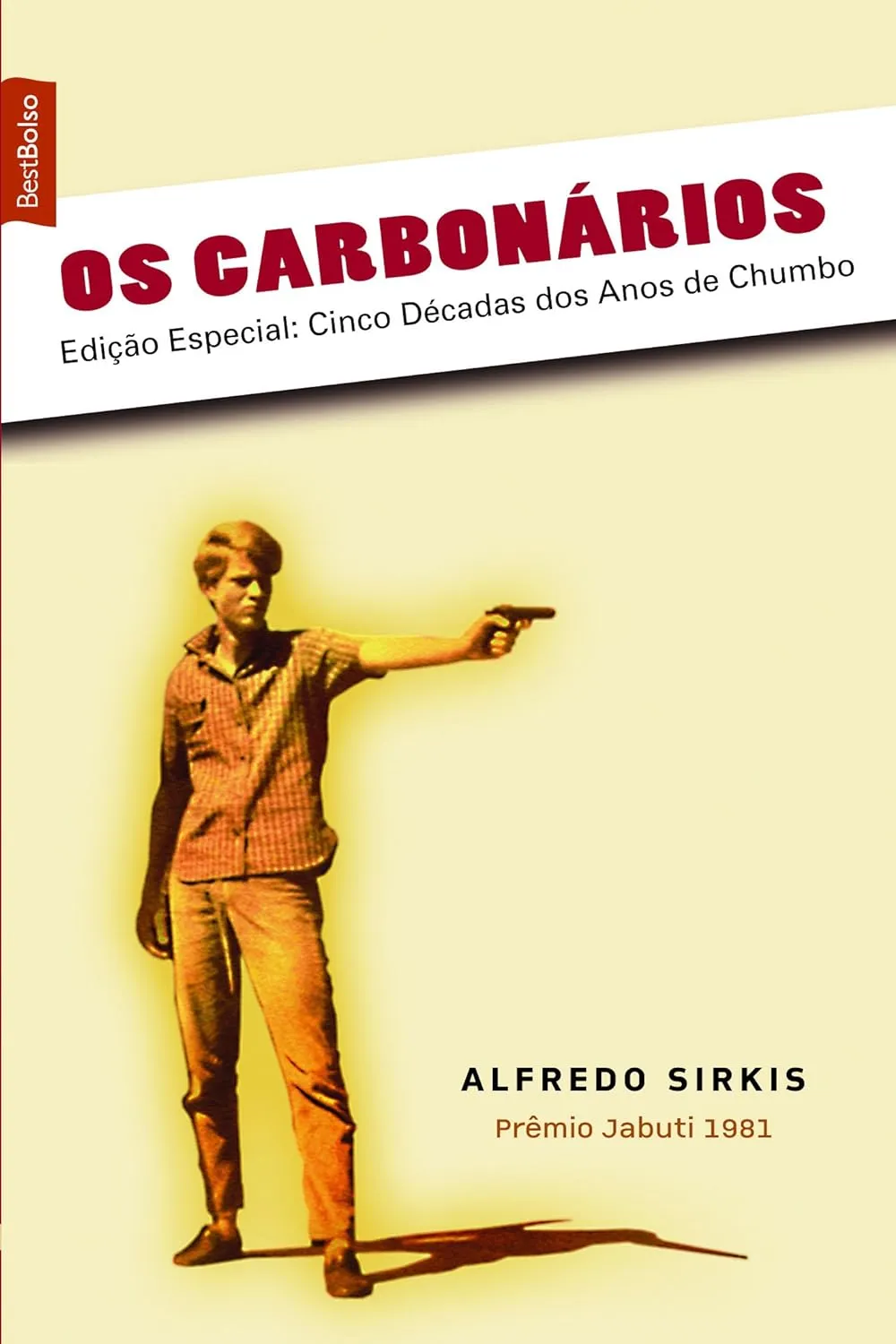
Sirkis's memoir of student resistance, clandestinity, and armed struggle during Brazil's military dictatorship. A national bestseller and winner of the 1981 Jabuti Prize, it later helped inspire the television miniseries Anos Rebeldes.
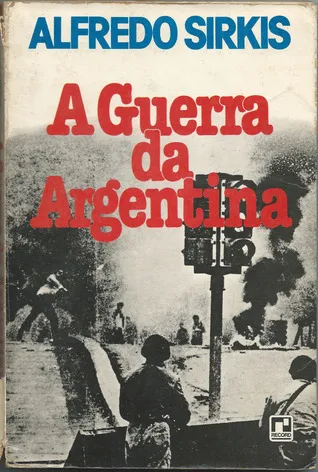
Written during Sirkis's exile, this political-history essay follows Argentina from the rise of Peronism in 1945 through the 1976 military coup. First published in 1977, it appeared in a revised Record edition in 1982.